
Table of Contents
ToggleMilwaukee Tools has built a reputation that extends far beyond power tools and batteries. For many DIYers and tradespeople, wearing a Milwaukee hat isn’t just about keeping the sun out of their eyes, it’s a badge of loyalty to a brand that’s earned its place on job sites and in home workshops. Whether someone’s framing a deck or organizing their garage, the red-and-black logo has become synonymous with reliability. But what makes these hats more than just free swag from the hardware store? This guide covers everything from the styles available to where to find authentic options, helping readers decide if Milwaukee headwear deserves a spot in their gear collection.
Key Takeaways
- Milwaukee Tools hats combine brand loyalty with practical durability, featuring quality materials like 80/20 cotton-polyester blends that withstand workshop conditions better than typical promotional items.
- The brand offers diverse headwear styles including baseball caps, mesh-back trucker hats, beanies, and fleece-lined winter caps, each designed for specific working conditions and seasons.
- Authentic Milwaukee Tools hats should be purchased from authorized retailers like The Home Depot, Milwaukee’s official website, or specialty tool chains to avoid counterfeit merchandise and ensure quality.
- Proper care—such as hand-washing embroidered caps and air-drying to prevent shrinkage—extends the lifespan of Milwaukee hats well beyond standard promotional items.
- Milwaukee hats function both as practical job-site gear and casual lifestyle wear, but should be worn with the brim forward during precision work for optimal safety and sun protection.
Why Milwaukee Tools Hats Are Popular Among DIYers and Professionals
Milwaukee Tools built its following by making equipment that doesn’t quit mid-project. That reputation carries over to their apparel line, including hats. For professionals, wearing branded gear is part of building a recognizable presence on job sites, it signals experience and tool choice. DIYers gravitate toward Milwaukee hats for similar reasons: they align themselves with a brand known for durability and innovation.
The visibility factor plays a role, too. Milwaukee’s signature red and black color scheme stands out in a sea of generic work wear. On a jobsite or at the home improvement store, that hat becomes a conversation starter among people who share the same brand loyalty. It’s the same psychology that drives car enthusiasts to wear Ford or Chevy gear, pride in the tools that get the work done.
Beyond branding, Milwaukee hats are simply well-made. They use materials that hold up to sweat, sawdust, and sun exposure better than promotional freebies. Structured cotton twill caps maintain their shape after dozens of washes, and moisture-wicking fabrics in some models keep heads cooler during roofing projects or summer deck builds. Workshop conditions are tough on apparel, and Milwaukee designs for that reality.
There’s also a practical element: these hats often come as bonuses with tool purchases or promotional bundles. Many DIYers acquire their first Milwaukee hat without specifically shopping for one, then realize it’s comfortable enough to keep wearing. That initial exposure builds long-term brand affinity. According to industry publications like Popular Mechanics, branded workwear has become a key component of tool manufacturer marketing strategies, creating walking advertisements that also serve genuine functional purposes.
Types of Milwaukee Tools Hats Available
Milwaukee offers several headwear styles, each designed for different working conditions and personal preferences. Understanding the options helps buyers choose the right fit for their needs.
Baseball Caps and Snapbacks
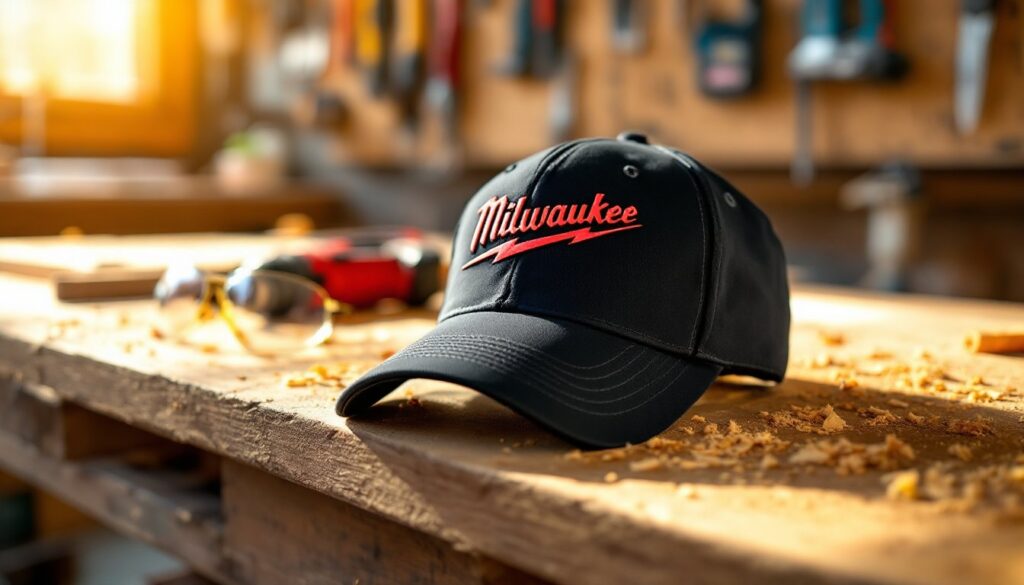
The most common Milwaukee hat is the classic six-panel baseball cap. These feature the Milwaukee logo embroidered on the front, typically in red stitching on a black or gray background. The structured front panels hold their shape, preventing the brim from flopping during overhead work. Most models use adjustable snapback closures rather than fitted sizes, making them easier to share between crew members or adjust for hard hat compatibility.
Milwaukee also produces mesh-back trucker hats for better ventilation. The breathable rear panels work well in hot weather, though they offer less protection from sawdust and debris. These are popular for outdoor projects like fence installation or landscaping where airflow matters more than full coverage.
Some limited-edition releases feature flat-brim snapbacks with bolder graphics or anniversary logos. These appeal more to collectors and casual wearers than working professionals, but they’re built with the same quality materials. The brims on these models can be shaped to preference, unlike pre-curved options.
Material note: Most Milwaukee baseball caps use 80/20 cotton-polyester blends. Pure cotton breathes better but shrinks more in the wash. The poly blend maintains size consistency and dries faster after getting soaked with sweat or rain.
Beanies and Winter Headwear
For cold-weather work, Milwaukee manufactures acrylic knit beanies and fleece-lined caps with ear flaps. The beanies come in both cuffed and slouch styles, with the Milwaukee logo either embroidered or as a woven patch. Acrylic is the material of choice here, it insulates when wet (unlike cotton), dries quickly, and costs less than merino wool while performing similarly in most conditions.
The quilted winter caps with fold-down ear flaps suit outdoor projects in freezing temperatures. They’re bulkier than beanies but provide better wind protection when running a generator outside or working on exterior trim in January. Some models include reflective elements for visibility during early-morning or late-evening work, though this feature isn’t standard across the line.
One practical consideration: Milwaukee’s winter hats are designed to fit comfortably under hard hats or welding hoods. They’re thinner than fashion beanies, which matters when safety equipment needs to sit properly. For guidance on selecting appropriate workshop accessories, readers might explore resources like Fix This Build That, which covers tool and gear recommendations for various project types.
Where to Buy Authentic Milwaukee Tools Hats
Counterfeit Milwaukee merchandise exists, particularly online. Knowing where to buy ensures quality and proper fit.
Authorized retailers include:
- The Home Depot: Carries a rotating selection of Milwaukee hats in their tool sections. Availability varies by location, but most stores stock at least basic black or red baseball caps. Prices typically range from $15–$25.
- Acme Tools, Northern Tool, and other tool specialty chains: These retailers often have broader Milwaukee apparel selections than big-box stores, including seasonal items and limited releases.
- Milwaukee’s official website: The direct source for the full product line. Buying direct guarantees authenticity but doesn’t always offer the best price. Watch for bundle deals where hats come free with qualifying tool purchases.
- Tool distributor promotions: Authorized Milwaukee distributors run periodic promotions where branded apparel is included with bulk tool orders. This route works better for contractors than individual DIYers.
Online marketplaces require more caution. eBay and Amazon third-party sellers sometimes stock genuine Milwaukee hats, but quality control is inconsistent. Check seller ratings and return policies. If a hat is listed significantly below retail price, it’s likely either used or counterfeit. Authentic Milwaukee hats have clean stitching, straight logos, and quality hardware on adjustable straps.
Tool events and trade shows are underrated sources. Milwaukee frequently gives away hats at industry expos, demo days, and grand openings of tool retailers. These promotional items are genuine products, often in styles not available for retail purchase. The trade-off is limited size and style selection.
Regional pricing note: Expect to pay $18–$30 for baseball caps and $12–$22 for beanies in most U.S. markets. Canadian prices run 20–30% higher due to import costs and currency exchange. Hardware stores in areas with high construction activity sometimes charge premium prices during busy seasons.
For DIYers actively building their tool collections, timing hat purchases around major sales events makes sense. Home Depot and Lowe’s both run Milwaukee promotions during spring and fall where buying specific tool combos includes free apparel. That approach is more cost-effective than buying hats separately, especially when combined with opportunities for hand tool deals during the same promotional periods.
How to Style Your Milwaukee Tools Hat for the Workshop and Beyond
Milwaukee hats work in multiple contexts, but styling them appropriately matters for both function and appearance.
In the workshop: Wear the hat with the brim forward to keep sawdust and overhead debris out of your face. The brim also provides shade when working under bright shop lights or outdoors. Pair it with safety glasses, the brim helps reduce glare without interfering with eye protection. If you’re running a table saw or router, the structured front panels won’t collapse into your line of sight like cheaper hats might.
Avoid backward-facing brims when doing precision work. The reversed position eliminates sun protection and makes it easier for the hat to snag on lumber or equipment. Save that style for casual wear.
Job site considerations: On professional sites, branded gear reinforces your credibility. A Milwaukee hat pairs naturally with matching tool bags and apparel. Keep the hat clean, a sweat-stained, paint-splattered cap looks sloppy rather than experienced. Most Milwaukee caps are machine washable: toss them in with work clothes on a gentle cycle and air dry to prevent shrinkage.
If you’re working in environments requiring hard hats, the Milwaukee cap won’t meet OSHA standards for head protection. Some workers wear thin beanies under hard hats in winter, but baseball caps create fitment issues. Don’t compromise safety for style.
Off-site wear: Milwaukee hats have crossed into casual fashion, particularly among tool enthusiasts. They pair well with jeans, work boots, and plain t-shirts for a functional, unpretentious look. The brand recognition works like any other lifestyle label, people who know tools will recognize it: others just see a well-made cap.
Fit adjustments: Most snapback models have five to six adjustment positions. Set the fit snug enough that the hat won’t blow off during outdoor work but not so tight it causes headaches during long days. The sweatband should sit comfortably above your eyebrows. If the hat leaves a ring on your forehead after wearing it for a few hours, it’s too tight.
Care and longevity: Hand-wash caps with heavy embroidery to prevent logo damage. For machine washing, use a cap cage or similar protector to maintain brim shape. Air drying prevents the cardboard-stiffened brims in some models from warping. With proper care, a quality Milwaukee hat lasts several years of regular use, far longer than throwaway promotional items. Resources like Good Housekeeping often provide detailed care guides for extending the life of various apparel items, including structured caps.
Conclusion
Milwaukee Tools hats deliver more than brand visibility, they’re functional gear built for real working conditions. Whether someone needs a ventilated trucker cap for summer framing work or a fleece-lined beanie for winter projects, Milwaukee offers options that balance durability with comfort. Buying from authorized retailers ensures quality, while proper care extends the life of these caps well beyond what typical promotional items offer. For DIYers who already trust Milwaukee tools, adding their headwear to the workshop wardrobe makes practical sense.