
Table of Contents
ToggleCraftsman has been a household name in the tool industry for nearly a century, and if you’ve wandered through a hardware store or browsed online lately, you’ve probably noticed their red cases lining the shelves. But are Craftsman tools actually good, or are they riding on brand recognition alone? For homeowners tackling weekend projects and DIYers building out their workshop, the answer matters. This review cuts through the marketing and digs into what Craftsman offers in 2026, covering quality, reliability, value, and which tools are worth the investment.
Key Takeaways
- Craftsman hand tools remain the brand’s strongest offering with solid performance, a lifetime warranty, and 72-tooth ratchets ideal for confined spaces—making them excellent for homeowners tackling weekend projects.
- While Craftsman tools occupy a middle ground between budget and premium brands, pricing is competitive with a 230-piece mechanic’s set at $150-$250 and cordless kits at $80-$120, offering strong value for DIY use.
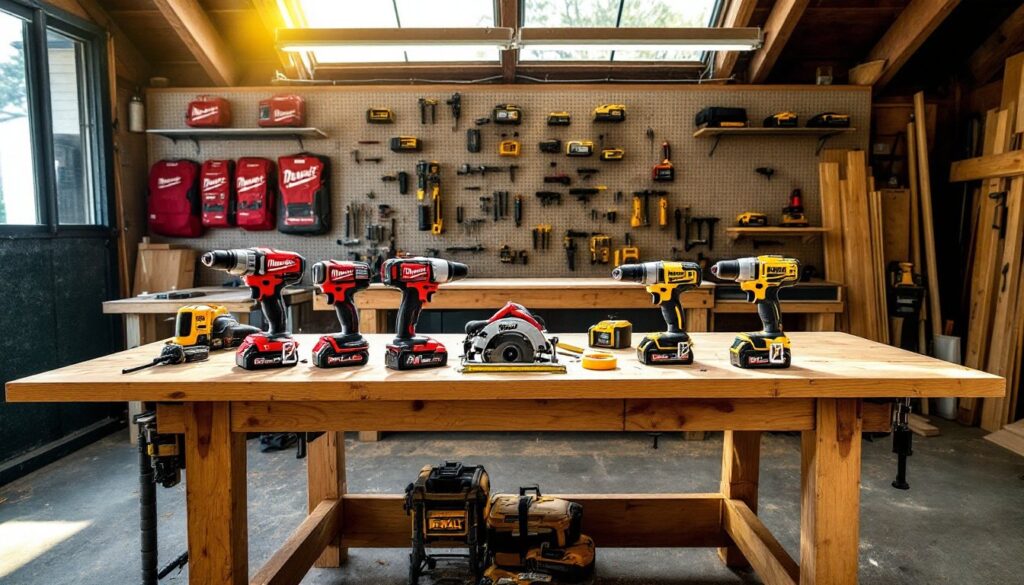
- Craftsman power tools are suited for occasional homeowner use like deck building and trim work, but professional tradespeople should consider contractor-grade alternatives like Milwaukee or DeWalt due to plastic housing durability concerns.
- The lifetime warranty on hand tools and three-year warranties on power tools provide peace of mind, though manufacturing changes since Stanley Black & Decker’s 2017 acquisition mean some tools are now overseas-produced with evolved warranty fine print.
- Start building your toolkit with a basic Craftsman hand tool set and cordless drill, then skip tools like nailers, chainsaws, and string trimmers where Craftsman has reliability issues compared to specialized brands.
The Legacy of Craftsman: What You Need to Know
Craftsman was founded in 1927 by Sears and quickly became synonymous with the lifetime warranty that made hand tools a no-questions-asked replacement if they broke. For decades, that warranty built customer loyalty and a reputation for standing behind their products.
In 2017, Stanley Black & Decker acquired the Craftsman brand, and the tools began showing up at Lowe’s, Ace Hardware, and online retailers instead of exclusively at Sears. This transition brought significant changes. The manufacturing shifted, some tools are now made in the USA, while others are produced overseas, primarily in China and Taiwan. The legendary lifetime warranty still exists for hand tools, but the fine print has evolved, and power tools come with limited warranties ranging from three years to sometimes just one year, depending on the model.
Today, Craftsman occupies a middle-ground position: more robust than basic big-box store brands but priced below premium lines like Milwaukee or DeWalt. Understanding this positioning helps set realistic expectations for what you’re buying.
Quality and Durability: How Craftsman Tools Hold Up
Hand Tools Performance
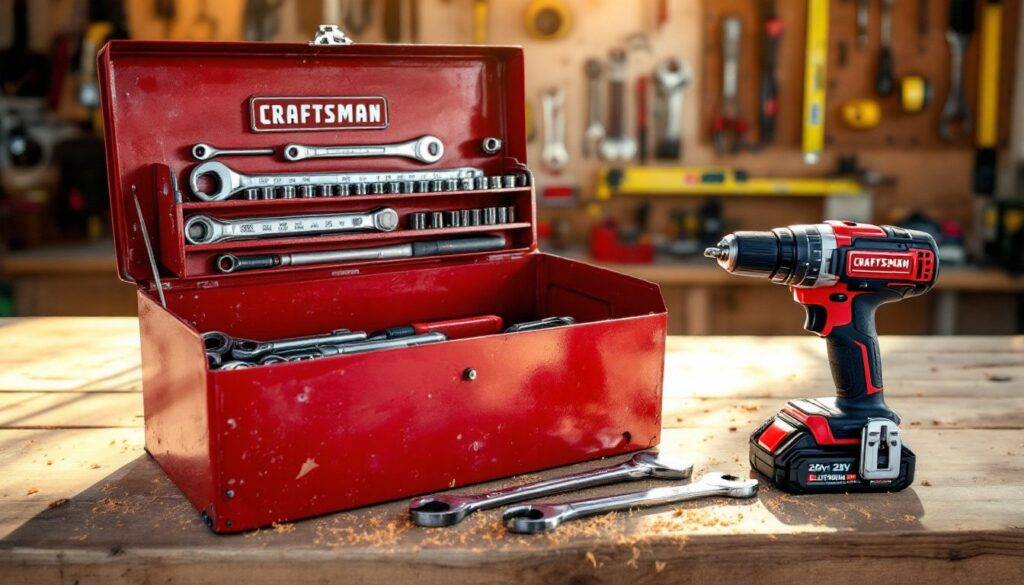
Craftsman’s hand tools remain the brand’s strongest offering. Ratchets, wrenches, sockets, screwdrivers, pliers, and hammers deliver solid performance for homeowners and weekend warriors. The chrome vanadium steel construction in most wrenches and sockets provides decent corrosion resistance and strength for typical residential use.
The ratchet mechanisms use a 72-tooth design in many models, giving you a 5-degree swing arc, tight enough for working in confined spaces like under sinks or behind appliances. The grip quality on screwdrivers and pliers has improved since the brand transition, with rubberized handles that don’t slip when you’re torquing down fasteners. For general home repair tasks, Craftsman hand tools handle the job without complaint.
That said, professional tradespeople who subject tools to daily abuse often report that Craftsman hand tools show wear faster than premium brands. The chrome finish can flake after years of heavy use, and the ratchet pawls may skip under extreme torque. For DIYers, though, these tools will likely outlast your interest in most projects.
Power Tools Reliability
Craftsman power tools sit in a more competitive and crowded space. The cordless lineup uses 20V MAX lithium-ion batteries (measured at maximum voltage: nominal voltage is closer to 18V, standard across the industry). Battery runtime and charge cycles are adequate for homeowner use, expect about 300-500 charge cycles before you notice capacity drop-off.
Drill/driver combos, circular saws, reciprocating saws, and oscillating multi-tools deliver enough power for deck building, finish carpentry, and light remodeling. Brushless motor models, where available, run cooler and last longer than their brushed counterparts. But, Craftsman brushless tools are still less common than brushed models in their consumer lineup, which can mean shorter motor life and less efficiency compared to brands that have fully transitioned to brushless technology.
Durability concerns crop up with plastic housings and gear cases. Drop a Craftsman cordless impact driver from a ladder, and there’s a real chance the shell cracks or internal gears strip. For projects like building outdoor furniture or installing trim, they’re fine. For rough framing or demolition work that involves job-site abuse, consider stepping up to contractor-grade tools. According to Today’s Homeowner, Craftsman power tools suit occasional use but may not endure the punishment of daily professional applications.
One bright spot: Craftsman’s corded power tools, like their benchtop table saw and miter saw models, offer better value and longevity than their cordless cousins. If you have a dedicated shop space with accessible outlets, corded tools sidestep battery limitations and often deliver more consistent power.
Value for Money: Are Craftsman Tools Worth the Investment?
Craftsman tools occupy a pricing sweet spot. A 230-piece mechanic’s tool set typically runs between $150 and $250, depending on sales. That’s more than no-name imports but significantly less than comparable Snap-On or GearWrench sets that can top $400.
For power tools, a Craftsman 20V drill/driver kit with battery and charger retails around $80 to $120. Compare that to Milwaukee M18 or DeWalt 20V MAX kits at $150 to $200, and the savings are clear. But you get what you pay for: lower peak torque, shorter battery life, and less robust construction.
The lifetime warranty on hand tools still adds value. If a socket cracks or a wrench bends, you can swap it out. That peace of mind matters for tools you’ll use for years. Power tool warranties (typically three years) are industry-standard but not exceptional.
For homeowners building out a workshop or maintaining a house, Craftsman delivers strong value. You’re not overpaying for features you won’t use, and the tools handle infrequent but varied tasks, hanging drywall, assembling furniture, trimming hedges, tightening deck screws. If you’re flipping houses or running a side business, invest in higher-tier brands: the cost per use will justify itself.
Regional pricing varies. Big-box stores run frequent promotions, especially around Father’s Day, Black Friday, and spring. Buying during sales or as combo kits (tool + battery + charger) stretches your dollar further. Also, check if you’re eligible for discounts through veteran or trade programs, which can knock 10-15% off retail pricing.
Best Craftsman Tools for Homeowners and DIY Projects
Not all Craftsman tools are created equal. Here’s where the brand shines for typical homeowner needs:
Hand Tools Worth Buying:
- Ratchet and socket sets: The 1/4″, 3/8″, and 1/2″ drive sets cover automotive work, appliance repair, and furniture assembly. The 72-tooth ratchets work well in tight quarters.
- Adjustable wrenches: The 6″ and 10″ models have wide jaw capacity and comfortable grips. Great for plumbing and quick fastener work.
- Screwdriver sets: Both slotted and Phillips heads hold up well. The magnetic tips are handy for starting screws in awkward spots.
- Tape measures: The 25′ models with standout up to 7 feet make solo framing and layout work manageable.
- Torpedo levels and combination squares: Affordable, accurate enough for hanging shelves and picture frames.
If you’re assembling a complete hand tool collection, Craftsman gives you reliable performance without the premium price.
Power Tools Worth Considering:
- 20V cordless drill/driver: Solid for drilling pilot holes, driving screws, and light mixing. Opt for the brushless version if available.
- Oscillating multi-tool: Great for undercutting door jambs, flush cuts, and sanding in tight spots. Accepts universal accessories.
- Circular saw (corded or cordless): The 7-1/4″ blade handles plywood, framing lumber, and decking. Bevel capacity up to 45 degrees covers most miter cuts, though a dedicated miter saw gives cleaner angle cuts.
- Shop vacuum: The wet/dry vacs are workhorses for sawdust, drywall dust, and water cleanup. Look for models with 6+ gallon capacity and onboard storage for hoses and nozzles.
- Benchtop table saw: If you need to rip sheet goods or make repetitive crosscuts, Craftsman’s 10″ models offer decent accuracy and safety features like blade guards and riving knives. Pair it with a quality fence for better results.
Tools to Skip:
- Craftsman nailers and staplers: Pneumatic versions are acceptable, but cordless brad nailers and finish nailers often jam or lack the power to fully seat fasteners in hardwoods. Spend more for DeWalt or Bostitch in this category.
- Chainsaws and string trimmers: Reliability issues and parts availability make these a gamble. For outdoor power equipment, brands like Husqvarna or Echo provide better long-term value.
If you’re unsure what tools every homeowner needs, start with a basic Craftsman hand tool set and a cordless drill. Expand as projects demand.
Conclusion
Craftsman tools deliver dependable performance for homeowners and DIY enthusiasts who need reliable gear without premium pricing. Hand tools remain the brand’s strength, backed by a lifetime warranty and built to handle typical residential projects. Power tools work well for occasional use but may not endure the punishment of daily professional work. For the budget-conscious DIYer building a toolkit, Craftsman hits the sweet spot between cost and capability.