
Table of Contents
ToggleWalking into a tool store without a plan is like starting a build without measuring, you’ll waste time and probably make the wrong call. Makita’s lineup runs deep, from cordless drills to track saws, and knowing where to shop locally can save you from shipping delays, return headaches, and the gamble of buying sight-unseen. Whether you’re picking up your first impact driver or adding a battery platform to your workshop, finding Makita tools near you means you can handle them first, ask questions face-to-face, and leave with exactly what the job needs. This guide walks through the best local sources, what to check before you buy, and how to make sure you’re getting genuine tools at fair prices.
Key Takeaways
- Makita tools near you are available at Home Depot, Lowe’s, independent Ace Hardware stores, and authorized Makita dealers—each offering different selection depths and local expertise.
- Use Makita’s official dealer locator at makitatools.com or Google Maps to find nearby retailers, then call ahead to confirm they stock your specific model and verify return policies.
- Makita’s 18V LXT battery platform supports over 325 tools on the same battery pack, letting you expand your collection without buying redundant chargers or power sources.
- Always handle tools in-store to check grip weight, balance, and trigger response, and inspect manufacturing date codes since lithium-ion batteries lose capacity over time.
- Verify what’s included in your purchase (bare tool versus kit), confirm warranty registration is available, and price-match with competitors before buying to ensure you get genuine products at fair prices.
Why Choose Makita Tools for Your Home Projects
Makita tools have earned their reputation in both professional job sites and home workshops for good reason. The brand’s 18V LXT battery platform is one of the most extensive cordless systems available, with over 325 tools running on the same battery pack. That interoperability cuts down on charger clutter and lets DIYers invest in batteries once, then expand their tool collection without buying redundant power sources.
Build quality separates Makita from budget imports. Their motors use ball bearings instead of sleeve bearings, extending motor life under regular use. Brushless motors in their higher-end models deliver more runtime and torque per charge compared to brushed equivalents. The teal housing isn’t just brand recognition, many Makita tools use magnesium components to cut weight without sacrificing durability, which matters when you’re working overhead or handling a tool all day.
Makita also backs their cordless tools with a three-year warranty covering defects, and their one-year free service program includes maintenance and wear item replacement. That’s more coverage than most competitors offer at the same price point. For home projects where a tool might sit between uses, that peace of mind counts. Whether you’re framing a shed, cutting composite decking, or routing dados for shelving, Makita’s range covers the task without forcing you into a second battery ecosystem.
Best Places to Buy Makita Tools Locally
Home Improvement Chains and Hardware Stores
The Home Depot carries the widest Makita selection among big-box retailers. Most locations stock core 18V LXT tools, drills, impact drivers, circular saws, oscillating multi-tools, and grinders, along with corded models like routers and miter saws. Their tool rental counters often carry Makita as well, which can be a test-drive before committing to a purchase. Home Depot runs quarterly promotions where Makita combo kits come with bonus batteries, making it worth timing larger purchases around spring and fall.
Lowe’s inventory leans heavier toward other brands, but many stores still carry select Makita tools, particularly in the power tool aisle. Selection varies by location, urban stores tend to stock more pro-grade options, while smaller suburban outlets may only carry entry-level models. Call ahead or check their app for in-store availability to avoid a wasted trip.
Ace Hardware and True Value locations operate as independently owned franchises, so Makita stock depends entirely on the owner’s buying choices. Some Ace stores focus on hand tools and paint, while others run a full pro tool section. The upside is personalized service, staff at independent hardware stores often have decades of experience and can walk you through compatibility questions or suggest alternatives if a specific model isn’t in stock.
Authorized Makita Dealers and Specialty Tool Retailers
Makita’s dealer locator on their website points to authorized retailers who meet the brand’s service and inventory standards. These dealers often stock deeper product lines than big-box stores, including specialty tools like track saws, plunge routers, and cordless nailers that mainstream retailers don’t shelf. Authorized dealers also carry genuine Makita replacement parts, batteries, chargers, blade guards, and dust collection accessories, which can be hard to find elsewhere.
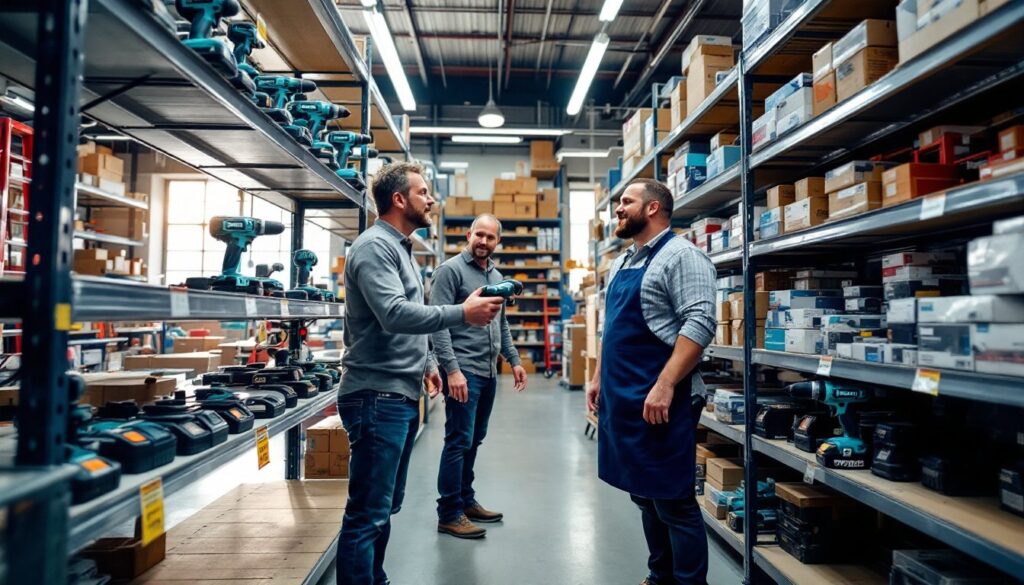
Specialty tool retailers like Acme Tools, Ohio Power Tool, and regional pro shops cater to contractors but welcome DIYers. Staff at these stores typically have hands-on experience with the tools they sell and can answer technical questions about torque specs, battery chemistry, or which model fits a specific task. Many offer price matching and will special-order items not in stock, which beats waiting for online shipping when you’re mid-project.
Pawn shops and used tool stores sometimes carry Makita tools at significant discounts, but buyer caution applies. Check for missing parts, battery health (older NiCad packs lose capacity), and whether the tool shows signs of hard use, worn brushes, cracked housings, or stripped chucks. Without a warranty, you’re taking the tool as-is. If you know what to inspect and the price reflects the risk, used Makita tools can deliver value. Just don’t expect return policies or support.
How to Find Makita Tools in Your Area
Start with Makita’s official dealer locator at makitatools.com. Enter your ZIP code, and it returns a map of authorized dealers within a set radius, along with contact info and store hours. The locator distinguishes between full-service dealers and retailers who stock limited inventory, which saves you from driving to a store that only carries batteries and accessories.
Google Maps works if you want a broader view. Search “Makita tools near me” or “tool stores near me,” then filter results by ratings and hours. Read recent reviews, mentions of Makita specifically, knowledgeable staff, or fair pricing signal a good stop. Reviews complaining about empty shelves or pushy sales tactics are red flags.
Call ahead before visiting. Ask if they stock the specific model you need, whether it’s in a kit or bare tool, and if they have it on the floor or in the back. Most stores will hold an item for 24 hours if you’re driving from out of town. Also confirm return policies while you’re on the phone, some retailers charge restocking fees on opened power tools, others offer full refunds within 30 days.
Facebook Marketplace and Craigslist surface local sellers offering new and used Makita tools. Prices can beat retail, but meet in public, inspect the tool before paying, and verify serial numbers match the packaging if it’s claimed as new-in-box. Stolen tools move through these platforms, and buying one puts you at risk of confiscation if it’s flagged. Stick to sellers with history and reasonable explanations for why they’re offloading gear.
What to Look for When Buying Makita Tools In-Store
Handle the tool before buying. Grip weight, balance, and trigger feel matter more than spec sheets suggest. A drill that’s nose-heavy fatigues your wrist faster, and a trigger with a mushy response makes fine control harder. If the store has a display model or demo unit, squeeze the trigger, check the battery release mechanism, and flip any mode switches to confirm they’re crisp and not sloppy.
Check the manufacturing date code on batteries and tools. Makita stamps a date on the label, lithium-ion batteries degrade over time even when unused, losing roughly 2-5% capacity per year. A battery sitting on a shelf since 2023 won’t perform like one made six months ago. If you’re buying a kit, ask if they have fresher stock in the back.
Confirm what’s included in the package. Bare tools come without batteries or chargers, fine if you’re already in the 18V LXT system, but a costly surprise if you’re starting fresh. Kits bundle a tool, one or two batteries, a charger, and sometimes a bag. Combo kits pair multiple tools with shared batteries. Know which you’re getting and whether the battery capacity (measured in amp-hours, or Ah) fits your needs. A 5.0Ah battery runs longer than a 2.0Ah, but it’s heavier and costs more. For light-duty tasks like driving screws into cabinet frames, a 2.0Ah battery keeps the tool nimble.
Inspect the packaging for damage or resealing. Torn boxes, missing tape, or resealed plastic can indicate a return or floor model sold as new. Open the box if possible and verify all listed contents are present, instruction manuals, belt clips, auxiliary handles, and hex keys often go missing from returned items.
Ask about the return policy and warranty registration. Most retailers honor Makita’s warranty, but some require proof of purchase and original packaging. Snap a photo of your receipt and register the tool on Makita’s website within a few weeks of purchase. That creates a record independent of a faded paper receipt.
Price-check before committing. Scan the barcode with your phone or search the model number to see if other local stores or online retailers offer it cheaper. Many brick-and-mortar stores will price match if you show proof, and some extend that to online competitors. Don’t expect a match on clearance or marketplace prices, but regular retail pricing is usually fair game. That said, supporting a local hardware store that provides good service can be worth a few extra dollars if it means faster returns or expert advice when you’re stuck mid-project.
Conclusion
Finding Makita tools locally gives DIYers the advantage of hands-on inspection, immediate availability, and face-to-face support that online shopping can’t match. Whether you’re gearing up for a weekend build or adding to an existing battery platform, knowing which stores stock genuine Makita products, and what to verify before you buy, keeps projects on track and budgets in check. Take the time to compare options, ask questions, and handle the tools yourself. The right tool in hand beats the cheapest price on a screen every time.