
Table of Contents
ToggleDeWalt’s battery-powered platform has reshaped how homeowners tackle everything from deck builds to kitchen remodels. The 20V MAX system isn’t just marketing hype, it’s a unified ecosystem where one battery type powers over 200 tools, eliminating the tangle of chargers and incompatible packs that plagued earlier cordless lineups. For DIYers who want professional-grade performance without dragging extension cords across job sites, DeWalt’s lithium-ion offerings deliver runtime and torque that match or exceed corded equivalents in most residential applications. This guide breaks down what makes the platform tick, which tools deserve a spot in your workshop, and how to build a collection without blowing your renovation budget.
Key Takeaways
- DeWalt battery-powered tools use the 20V MAX platform with a unified slide-pack battery design that powers over 200 tools, eliminating the need for multiple chargers and incompatible battery packs.
- DeWalt battery powered tools deliver construction-grade durability and performance comparable to corded alternatives for most residential applications, making them ideal for DIYers tackling deck builds and kitchen remodels.
- Start your DeWalt collection with a combo kit (drill/driver + impact driver), then buy bare tools and add a high-capacity 5.0 Ah battery as your first upgrade to maximize value.
- Store lithium-ion batteries at 40-50% charge when not in use for over a month, and match battery capacity to tool draw—compact 2.0 Ah packs for drills and impact drivers, high-capacity packs for saws and grinders.
- FlexVolt batteries automatically switch between 20V and 60V output for versatility, and brushless motor models run 30-50% longer per charge than brushed alternatives, justifying their $20-40 premium cost.
- Watch for seasonal sales during Memorial Day, Labor Day, and Black Friday when retailers bundle free batteries or tools with purchases, and consider certified refurbished models for 20-35% savings with one-year warranty coverage.
Why DeWalt Battery Tools Dominate the Home Workshop
Three factors put DeWalt at the top of homeowner wish lists: battery interchangeability, widespread availability, and proven durability in construction environments.
The 20V MAX platform uses a slide-pack battery design compatible across the entire tool line. A compact 2.0 Ah pack from your drill fits the same slot as a high-capacity 9.0 Ah battery in your miter saw. That modularity means you’re not locked into buying matched sets, grab tools as projects demand them, and your existing batteries work immediately.
You’ll find DeWalt cordless tools at nearly every hardware retailer, from big-box stores to local lumber yards. That ubiquity matters when a battery dies mid-project on a Saturday afternoon. Replacement packs, chargers, and warranty service are rarely more than a short drive away, unlike niche brands that require online ordering and week-long waits.
DeWalt tools also earn their reputation on commercial job sites, where carpenters and electricians run them daily. The brushless motors and impact-resistant housings handle repeated drops, sawdust intrusion, and the kind of abuse that kills consumer-grade tools within months. For homeowners, that construction-grade build quality translates to tools that outlast the projects they’re bought for.
Understanding the DeWalt 20V MAX Battery Platform
DeWalt’s battery labeling can confuse first-time buyers. The “20V MAX” designation refers to the battery’s peak voltage under no load, the actual nominal voltage matches 18V systems from other manufacturers. It’s a marketing distinction, not a performance gap.
Battery capacity is measured in amp-hours (Ah), which determines runtime. A 2.0 Ah compact battery keeps drills and impact drivers light for overhead work or tight spaces, but it’ll drain quickly on high-draw tools like circular saws or reciprocating saws. Step up to a 5.0 Ah or 6.0 Ah pack for balanced weight and runtime across most applications. The 9.0 Ah and 12.0 Ah batteries are workhorses for miter saws and table saws, but their added bulk makes them awkward on handheld tools.
DeWalt’s FlexVolt batteries deserve special mention. These intelligent packs automatically switch between 20V and 60V output depending on the tool. Plug one into a standard 20V drill, and it operates as a high-capacity 20V battery. Insert it into a FlexVolt miter saw or grinder, and it combines cells to deliver 60V for corded-like power. It’s backwards-compatible versatility that home improvement enthusiasts appreciate when upgrading from entry-level kits.
Charger speed matters more than most DIYers realize. The basic charger included with starter kits takes 90 minutes to charge a depleted 5.0 Ah battery. Upgrade to a fast charger, and that drops to 60 minutes. For all-day projects, invest in a dual-port charger so you can rotate batteries without workflow interruptions.
Essential DeWalt Cordless Tools Every Homeowner Needs
Drills and Impact Drivers for Everyday Projects
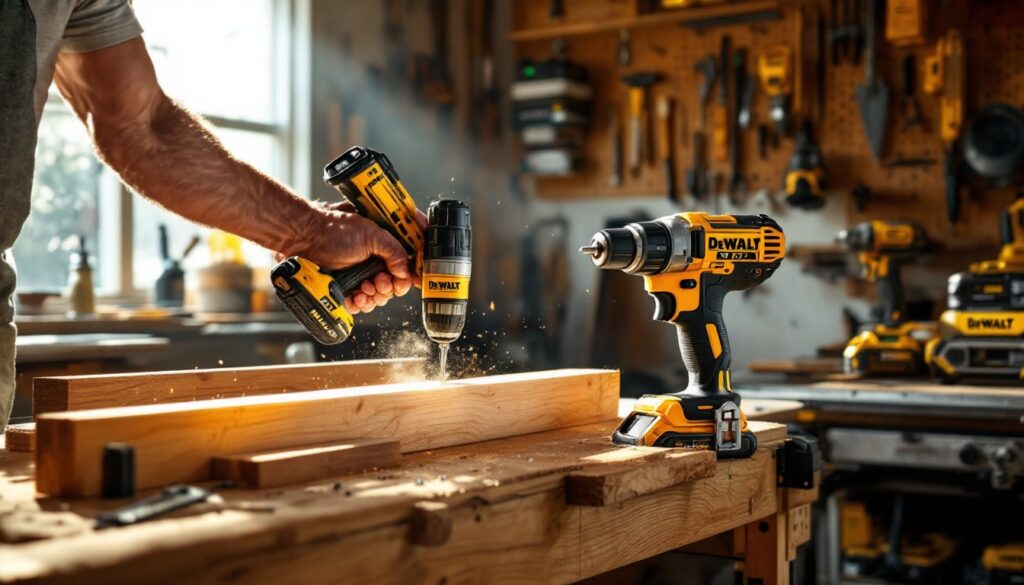
The DCD771 20V MAX drill/driver anchors most DeWalt starter kits. Its two-speed transmission (0-450 and 0-1,500 RPM) handles drilling pilot holes in framing lumber and driving deck screws without stripping heads. The ½-inch keyless chuck accepts standard drill bits and hole saws up to 1½ inches. At 3.6 pounds with a compact battery, it’s maneuverable enough for cabinet installs and outlet box mounting.
For fastener-intensive work, deck building, framing, or furniture assembly, an impact driver like the DCF787 outperforms a standard drill. Impact drivers use rotational hammering to drive screws without camming out, and they apply up to 1,825 in-lbs of torque compared to a drill’s 300-450 in-lbs. That extra muscle sinks 3-inch construction screws into pressure-treated lumber without pre-drilling, saving hours on large projects. The trade-off is noise, impact drivers produce a sharp hammering sound that requires hearing protection during extended use.
Both tools benefit from DeWalt’s brushless motor option. Brushless models (identified by a “B” in the model number, like DCF787B) run 30-50% longer per charge and generate less heat than brushed equivalents. They cost $20-40 more, but the runtime gains justify the premium if you’re tackling multi-day renovations.
Saws and Cutting Tools for Home Renovations
DeWalt’s DCS570 7¼-inch circular saw delivers the cutting capacity needed forsheet goods and dimensional lumber. It’ll crosscut a 2×4 at 90 degrees and bevel up to 57 degrees for compound cuts. Pair it with a 60-tooth carbide blade for plywood and a 24-tooth framing blade for studs and joists. The cordless design eliminates the extension cord tangle that plagues corded saws when cutting full sheets of plywood or OSB.
A reciprocating saw like the DCS367 earns its keep during demolition and retrofit work. It cuts through nails embedded in framing, slices PVC and copper pipe during plumbing upgrades, and prunes tree branches that a chainsaw can’t safely reach. The tool-free blade clamp lets you swap between demolition blades (6-9 TPI) and metal-cutting blades (14-18 TPI) in seconds. Wear safety goggles and work gloves, recip saws kick up debris and vibration.
For trim carpentry and small projects, the DCS361 7¼-inch miter saw brings corded precision to job sites without outlets. It handles crown molding, baseboard, and picture frame cuts with repeatable accuracy. The miter detents lock at common angles (0°, 15°, 22.5°, 31.6°, 45°) with positive stops that eliminate setup guesswork. A 9.0 Ah FlexVolt battery provides roughly 300 cuts through 3¼-inch pine baseboard before needing a recharge.
Many workshop projects also benefit from a cordless oscillating multi-tool like the DCS356. It undercuts door jambs for flooring installs, removes grout, and makes precise plunge cuts in drywall for outlet boxes. The variable speed trigger (8,000-20,000 OPM) prevents overheating on delicate materials.
Maximizing Battery Life and Performance
Lithium-ion batteries don’t require full discharge cycles, but a few habits extend their usable lifespan. Store batteries at 40-50% charge if they won’t be used for more than a month. Extreme temperatures, below 32°F or above 120°F, degrade cell chemistry, so avoid leaving packs in unheated garages during winter or truck beds in summer sun.
Match battery capacity to tool draw. Running a 2.0 Ah battery in a miter saw forces the cells to discharge at maximum rate, generating heat that shortens pack life. Use compact batteries for low-draw tools (drills, impact drivers, oscillating tools) and reserve high-capacity packs for saws and grinders.
DeWalt’s battery fuel gauge (three-LED indicator) provides quick status checks. If a fully charged battery drains faster than expected, check for tool maintenance issues. A dull saw blade forces the motor to work harder, drawing more current and killing batteries prematurely. Cleaning sawdust buildup from motor vents also improves cooling efficiency.
Most 20V MAX batteries include built-in overload protection that shuts down the pack before damage occurs. If a battery won’t charge after heavy use, let it cool for 30 minutes before reinserting it into the charger. Repeated thermal shutdowns indicate either an undersized battery for the tool or a failing pack that needs replacement.
Register your batteries and tools for warranty tracking. DeWalt offers a three-year limited warranty on cordless tools and batteries, but proof of purchase and registration speed up claims if a pack fails early. Keep receipts and note serial numbers, warranty service requires both.
Building Your DeWalt Collection on a Budget
Start with a combo kit rather than buying tools individually. DeWalt’s two-tool kits (drill/driver + impact driver) typically include two batteries, a charger, and a carrying bag for $50-80 less than purchasing components separately. The included batteries are often compact 1.5-2.0 Ah packs, adequate for getting started, but plan to add a 5.0 Ah battery as your first upgrade.
Buy bare tools (tool only, no battery or charger) once you have batteries in your collection. A bare-tool circular saw costs $100-130 versus $200+ for a kit with battery and charger you don’t need. This strategy works best after you’ve accumulated 3-4 batteries, ensuring you always have a charged pack ready.
Watch for seasonal sales around major holidays. Home improvement retailers run tool promotions during Memorial Day, Labor Day, and Black Friday that bundle free batteries or extra tools with combo kit purchases. DeWalt also offers periodic “buy a tool, get a free battery” promotions that effectively discount high-capacity packs by $60-100.
Consider certified refurbished tools directly from DeWalt’s factory outlet. These are returns or demos that DeWalt inspects, repairs, and repackages with a one-year warranty. Savings run 20-35% off retail, and performance matches new tools. Refurb availability fluctuates, so check monthly if you’re hunting for specific models.
Prioritize tools based on project frequency, not aspirational use. A cordless miter saw is convenient, but if you cut trim once every two years, rent one or use a corded model. Put your budget toward tools you’ll use monthly, a quality drill, impact driver, and circular saw handle 80% of home improvement tasks. Add specialty tools (nailers, grinders, sanders) as specific projects demand them.
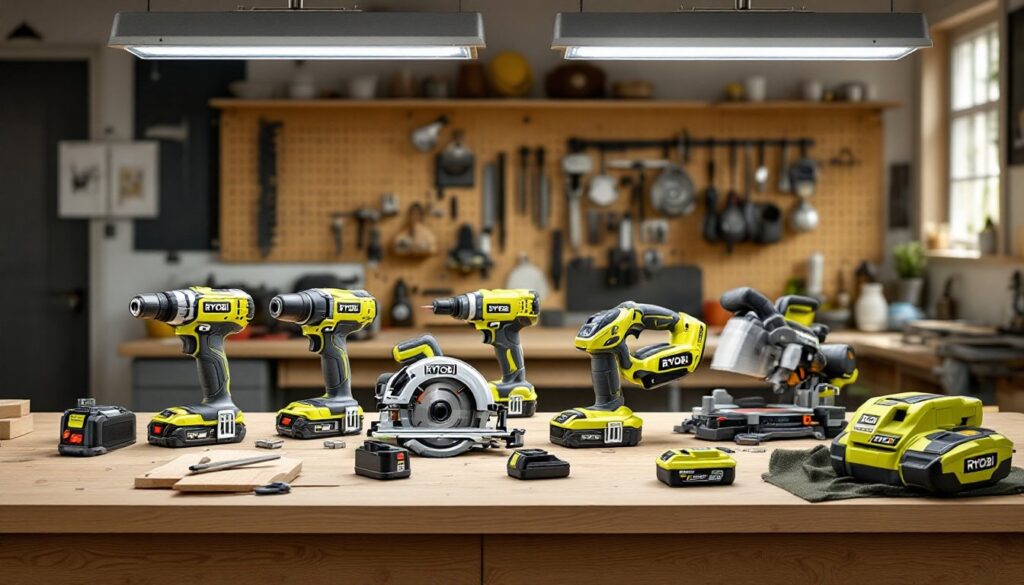
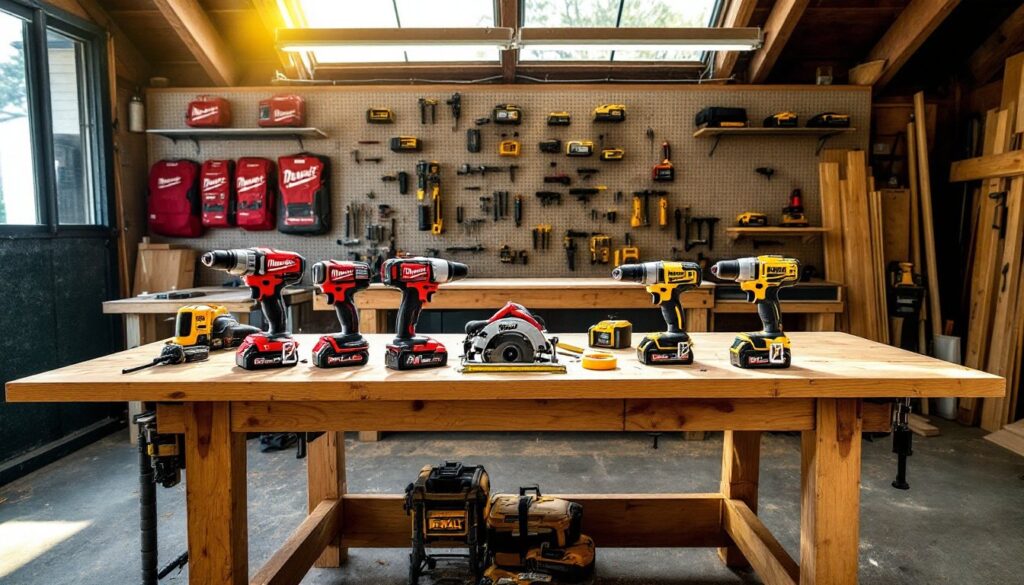
Avoid the temptation to mix battery platforms. Switching between DeWalt, Milwaukee, and Ryobi means buying duplicate chargers and batteries that don’t cross-pollinate. Lock into one ecosystem early, even if it means waiting for a sale on your preferred brand. The long-term savings in battery compatibility outweigh short-term deals on incompatible tools.